Why People Pull Away When They Actually Like You (5 Psychology Reasons)
One of the most confusing human behaviors is this:
Someone likes you… and then they back away.
Not because you did anything wrong — but because they care.
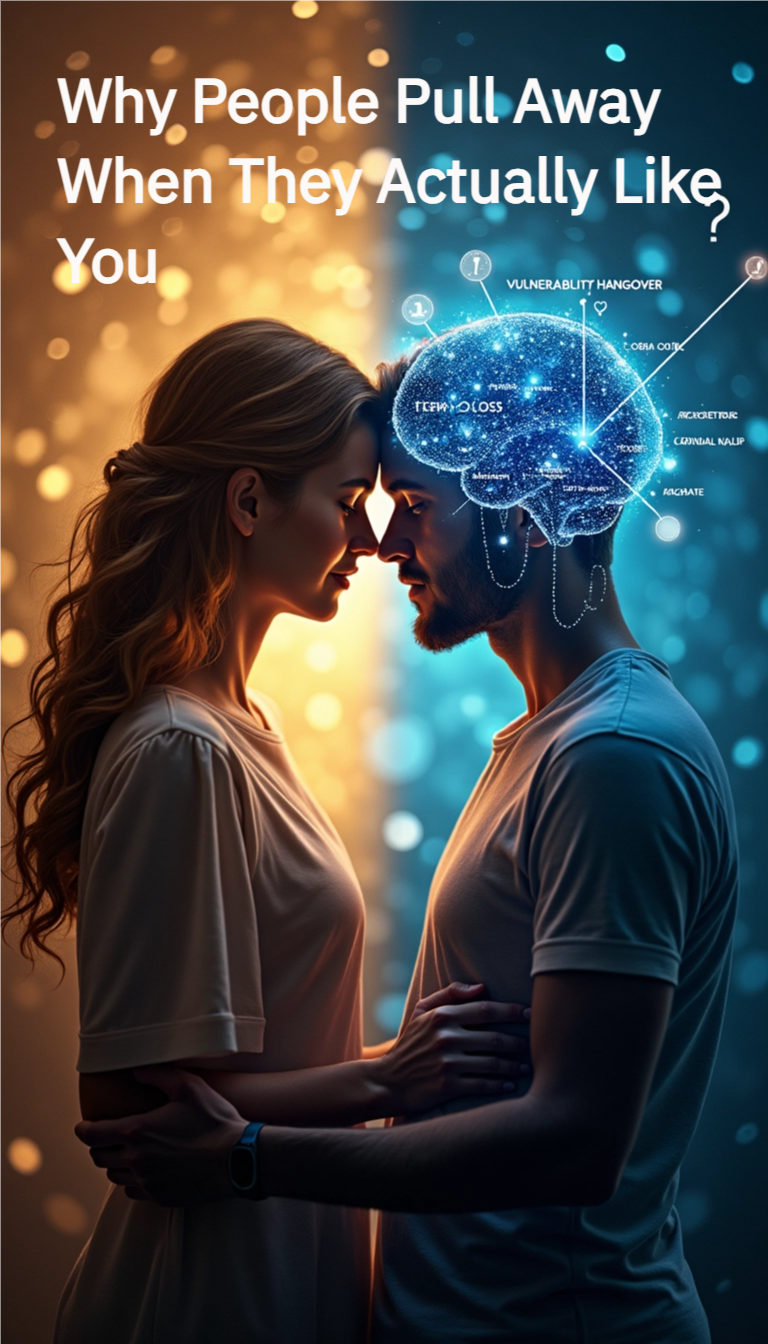
It feels contradictory, even unfair. But psychology shows that pulling away is often a protective reaction, not a rejection. When emotions intensify, so does vulnerability — and not everyone knows how to handle that level of emotional exposure.
Below are the 5 most common psychological reasons people distance themselves when they genuinely like you. Understanding them can save you from overthinking, unnecessary self-blame, and emotional confusion.
1. The Fear of Vulnerability Hits Hard
Liking someone opens the door to being:
- judged
- rejected
- misunderstood
- abandoned
For people who struggle with vulnerability, this sudden emotional exposure feels dangerous.
So what do they do?
They retreat to regain control.
Pulling away becomes a form of protection — not from you, but from the emotional risk your connection represents.
2. Past Emotional Wounds Get Triggered
Someone who has been:
- betrayed
- replaced
- cheated on
- ignored
- emotionally neglected
…may associate closeness with pain.
When they start liking someone new, their brain triggers old memories:
“Last time I felt this… I got hurt.”
So the avoidance isn’t about you —
it’s about their history trying to protect them from repeating past trauma.
This happens most often in people with avoidant or anxious-avoidant attachment styles.
Emotional withdrawal is strongly connected to avoidant attachment and past relational wounds. Psychology Today breaks down how these patterns develop and why they cause people to distance themselves even when they care:
The Gottman Institute: The Zeigarnik Effect in Relationships
The Resource: The Gottman Institute – What Makes Love Last? The Zeigarnik Effect
The Science: This resource explains how “unprocessed” negative events stay active in our minds. In a relationship context, if a small conflict isn’t resolved, the brain keeps it “open” like a computer tab, causing background stress and leading one partner to pull away to find relief from that mental tension.
3. They Don’t Feel “Good Enough” for You
A surprising cause, but incredibly common.
Some people pull away because they think you’re:
- too attractive
- too confident
- too stable
- too emotionally mature
- “out of their league”
This creates internal insecurity:
“If I get too close, they’ll realize they can do better.”
Instead of risking rejection later, they distance themselves early.
4. They’re Overthinking Their Own Feelings
Some people don’t process emotions in real time.
Instead, they:
- analyze their feelings
- question their intentions
- doubt their readiness
- revisit past mistakes
- spiral into “what if?” thinking
Pulling away gives them space to try to intellectually understand an emotional experience — even though emotions don’t work that way.
This is especially common in:
- deep thinkers
- introverts
- people with high anxiety
- people who suppress emotions
5. Closeness Creates Pressure They Aren’t Ready For
When feelings grow, people sometimes feel:
- pressure to commit
- pressure to define the relationship
- pressure to be perfect
- pressure to not disappoint you
Instead of communicating their fears, they withdraw to reduce emotional pressure.
To you, it feels like rejection.
To them, it feels like temporary relief from expectations — expectations you never asked for.
What You Should Do (Without Chasing or Pulling Away Yourself)
You can’t force someone to stay emotionally close.
But you CAN respond in a way that maintains your power:
✔ Stay consistent in your energy
Be calm. Not clingy, not cold.
✔ Don’t over-pursue
Let them come back.
Healthy interest returns when pressure decreases.
✔ Keep your life full
Your world should never shrink because someone becomes inconsistent.
✔ Communicate clearly if needed
A simple:
“Hey, I noticed you’ve been distant. Everything okay?”
…is enough.
No paragraphs, no over-explaining.
Pulling away is their emotional conflict — not your fault.
Conclusion
People don’t always pull away because their feelings are fading.
Sometimes they pull away because the feelings are too strong.
The more you understand the psychology behind emotional distance, the easier it becomes to protect your peace — without taking things personally.
If this topic resonated with you, you’ll also find value in my article on 5 Clear Signs Someone Doesn’t Respect You — a deeper look into boundary-pushing and dismissive behavior.