
Why People Disrespect You When You Are Too Nice
The Hidden Psychology Behind Kindness, Boundaries, and Social Power
Many people believe kindness automatically earns respect. In reality, social dynamics follow psychological rules that reward clarity, boundaries, and self-direction more than constant accommodation. When you act overly nice without limits, others often respond with disregard rather than appreciation.
why people disrespect you when you are too nice
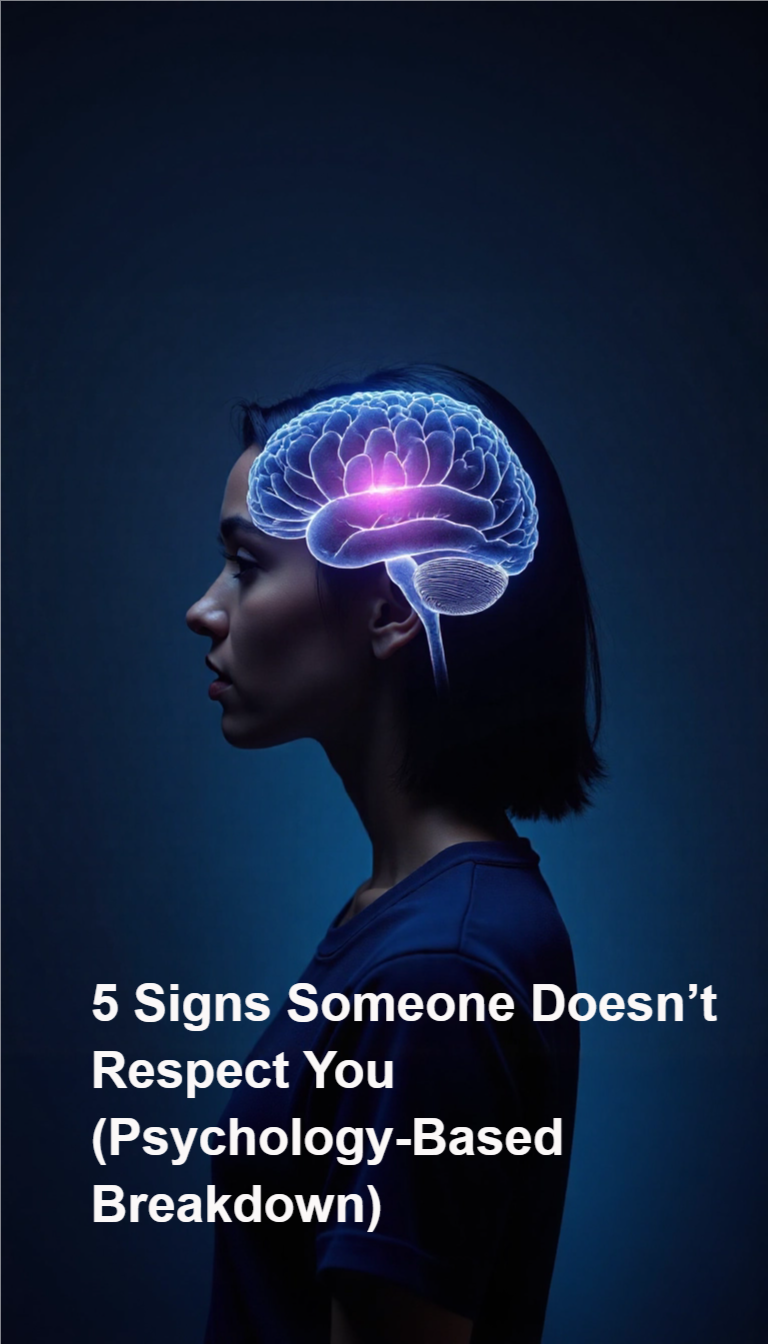
Understanding why people disrespect you when you are too nice requires looking at how the human brain interprets behavior—not intentions.
1. People Associate Unlimited Niceness With Weak Boundaries
When you consistently agree, forgive, and accommodate, people subconsciously evaluate how much resistance you offer. If you never push back, they assume you lack boundaries.
This sends a powerful psychological signal:
“This person will tolerate almost anything.”
Some individuals respect kindness. Others exploit it. When no consequences exist, people feel free to cross lines repeatedly.
Kindness loses power when it lacks limits.
2. Assertiveness Shapes Respect More Than Friendliness
Respect grows from assertive communication, not avoidance. When you stay silent to prevent conflict, others begin to prioritize their needs over yours.
People learn through repetition:
- What you allow becomes normal
- What you never challenge becomes acceptable
By avoiding direct communication, you unintentionally teach others how to treat you.
3. Humans Instinctively Test Social Boundaries
People naturally test limits to understand social roles and hierarchies. This behavior does not always come from bad intentions—it often comes from curiosity and conditioning.
When every test receives compliance, people push further. Over time, this behavior turns into patterns that feel like disrespect.
Clear boundaries stop testing early and establish mutual respect.
4. Excessive Niceness Signals Insecurity to the Subconscious Mind
People often misinterpret constant niceness as:
- A need for approval
- Fear of rejection
- Discomfort with confrontation
Even when these assumptions aren’t true, perception shapes behavior. Confidence communicates strength when it remains calm and unapologetic. Kindness rooted in self-respect commands far more respect than kindness driven by fear.
5. Different Environments Reward Different Communication Styles
Social and professional environments do not value the same traits. Some cultures and workplaces reward directness and firmness more than politeness.
When your communication style clashes with the environment, people may misunderstand your kindness as passivity. Social intelligence requires adjusting how you express yourself—not abandoning who you are.
How to Stay Kind Without Losing Respect
You can remain kind while maintaining authority. The key lies in intentional behavior, not people-pleasing.
Practical Shifts That Change How People Treat You:
- Set boundaries clearly and reinforce them consistently
- Speak with certainty instead of apology
- Pause before agreeing automatically
- Address disrespect immediately rather than tolerating it
- Use silence strategically instead of over-explaining
When kindness operates alongside confidence, people stop testing it.
Final Thought: Respect Follows Behavior, Not Intentions
People do not disrespect you because you are nice. They disrespect you when niceness replaces clarity, firmness, and self-respect.
When you combine empathy with boundaries and confidence with calmness, kindness becomes a strength others recognize—not a weakness they exploit.
Continue exploring this topic:
Read next →Why Silence makes people uncomfortable ( And Powerful)