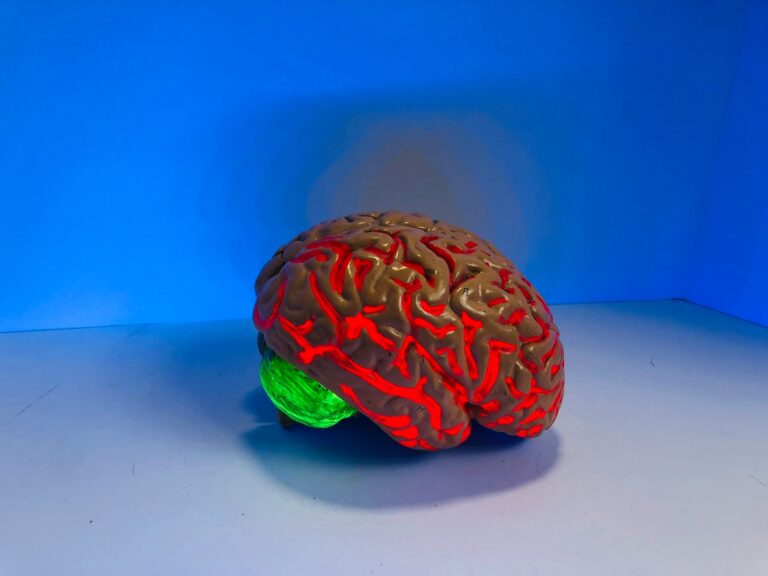

How Understanding Psychology Helps with Better Decisions
How Understanding Psychology Helps with Better Decisions
Making decisions is an essential part of everyday life, from small choices like what to eat for breakfast to significant ones like career moves or financial investments. But why do some decisions feel easier or turn out better than others? One powerful tool that can enhance our decision-making skills is understanding psychology—the scientific study of the mind and behavior. Here’s how psychology helps us make better decisions:
- Recognizing Cognitive Biases
Our brains use shortcuts called heuristics to make decisions quickly, but these can lead to cognitive biases—systematic errors in thinking. For example, confirmation bias makes us favor information that supports our existing beliefs, while availability bias makes us overestimate the importance of information that comes to mind easily. By learning about these biases, we can pause and critically evaluate our thought processes before making choices, reducing errors and improving judgment. - Understanding Emotional Influences
Emotions play a significant role in decision-making. Fear, excitement, or stress can cloud rational thinking or push us toward impulsive choices. Psychology teaches us to identify and manage these emotions effectively. Techniques like mindfulness and emotional regulation help create a balance between gut feelings and logical analysis, leading to more balanced decisions. - Improving Problem-Solving Skills
Psychology explores different styles of thinking—such as analytical versus creative thinking—and how they affect problem-solving. Recognizing your natural approach allows you to leverage strengths and compensate for weaknesses. For example, if you tend to focus on details, you might consciously step back to consider the bigger picture, leading to more comprehensive solutions. - Enhancing Social Decision-Making
Many decisions involve other people, whether in personal relationships or the workplace. Understanding social psychology helps us appreciate factors like group dynamics, persuasion, and communication styles. This awareness can improve negotiation skills, conflict resolution, and collaboration, resulting in decisions that benefit all parties involved. - Encouraging Self-Awareness and Growth
At its core, psychology fosters self-awareness—recognizing your values, motivations, and patterns of behavior. This insight empowers you to make decisions aligned with your authentic self rather than external pressures or habits. Continuous self-reflection and learning also promote adaptability, a crucial trait for navigating complex and changing circumstances.
In conclusion, understanding psychology equips us with valuable tools to refine our decision-making process. By acknowledging biases, managing emotions, enhancing problem-solving, improving social interactions, and cultivating self-awareness, we can make choices that are not only smarter but also more fulfilling. Embracing psychological insights is a step toward wiser, more confident decisions in all areas of life.