
Demystifying Human Behavior: Insights from Neuroscience
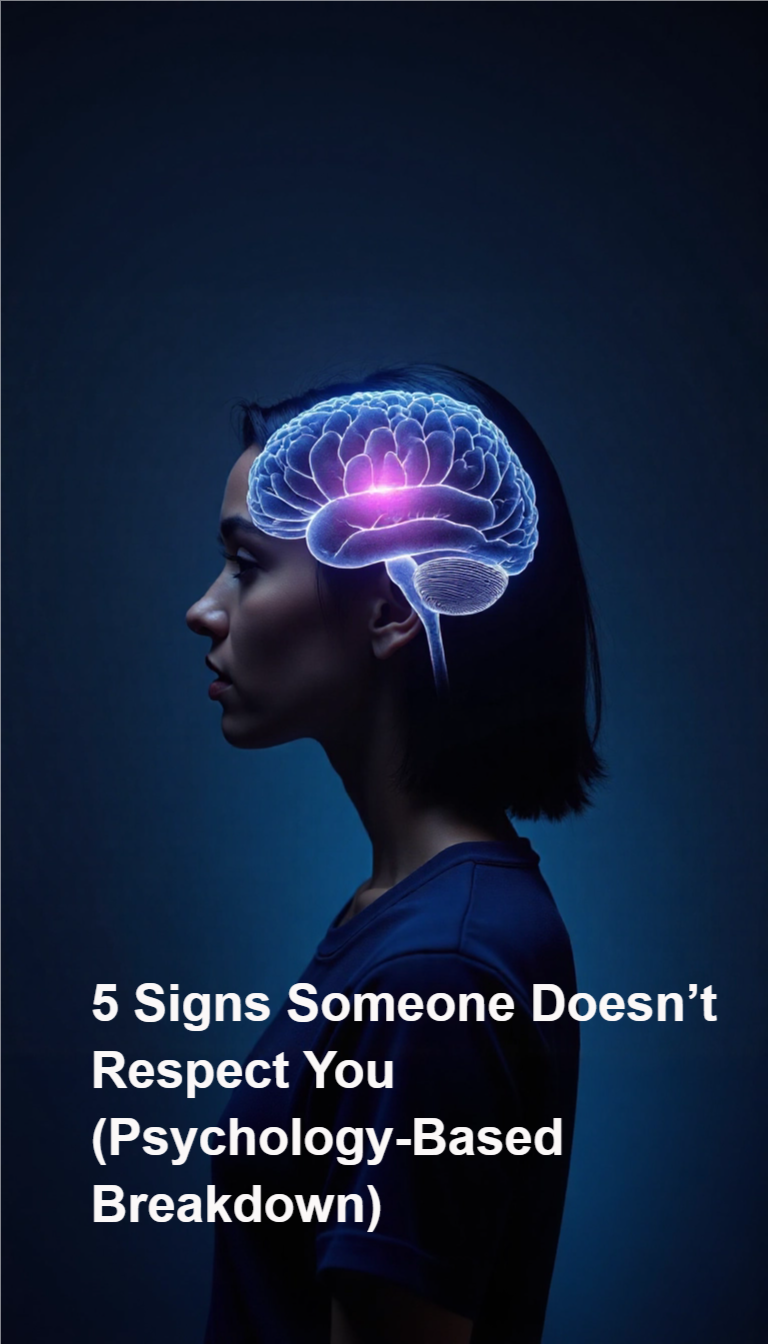
Understanding human behavior has long been a central quest in psychology, sociology, and philosophy. However, recent advances in neuroscience are shedding new light on the intricate workings of the brain, helping us unravel the biological foundations of why we think, feel, and act the way we do. In this blog post, we explore some key insights from neuroscience that are demystifying human behavior and opening new avenues for personal growth, mental health, and social understanding.
At the heart of human behavior lies the brain, a complex organ composed of billions of neurons communicating through intricate networks. Neuroscience reveals that different brain regions specialize in various functions—from the prefrontal cortex, which governs decision-making and self-control, to the amygdala, which processes emotions like fear and pleasure.
This specialization means that behavior is not controlled by a single “switch” in the brain but rather emerges from the dynamic interplay of multiple areas. For example, when you make a moral decision, your brain weighs emotional responses against rational thought, engaging both the limbic system and the frontal lobes.
One of the most transformative discoveries in neuroscience is neuroplasticity—the brain’s capacity to reorganize itself by forming new neural connections throughout life. This means that behaviors and habits are not fixed; they can be modified through learning and experience.
Neuroplasticity underpins the success of therapeutic approaches like cognitive-behavioral therapy (CBT), which helps rewire negative thought patterns. It also highlights the importance of lifelong learning and adaptability in shaping behavior.
Neurotransmitters are chemical messengers that transmit signals between neurons, influencing mood, motivation, and behavior. For instance, dopamine is often called the “reward chemical” because it reinforces pleasurable activities and motivates us to repeat them. Serotonin, on the other hand, plays a key role in mood regulation and social behavior.
Imbalances in neurotransmitter systems have been linked to mental health disorders such as depression, anxiety, and addiction. Understanding these chemical pathways is crucial for developing effective treatments and promoting emotional well-being.
Humans are inherently social creatures, and neuroscience confirms that our brains are wired for connection. The “social brain” includes regions like the mirror neuron system, which allows us to empathize by mirroring the emotions and actions of others.
This neural basis for empathy and social bonding explains why relationships and community are vital for psychological health. It also sheds light on social phenomena such as conformity, group dynamics, and even prejudice.
The insights from neuroscience offer practical applications to improve our daily lives:
- Mindfulness and Meditation: These practices can alter brain activity, enhancing emotional regulation and reducing stress.
- Healthy Habits: Regular exercise and sleep promote neurogenesis (growth of new neurons), supporting cognitive function and mood.
- Education: Tailoring teaching methods to how the brain learns can boost retention and engagement.
- Mental Health: Early intervention and personalized treatments based on brain science can improve outcomes for psychiatric conditions.
Neuroscience is demystifying human behavior by revealing the biological processes underlying our thoughts, emotions, and actions. By integrating these insights into psychology, education, and healthcare, we can foster greater self-awareness, empathy, and well-being. As research continues to advance, the bridge between brain science and everyday life will only strengthen, helping us navigate the complexities of human behavior with greater clarity and compassion.