
Why Work Stress Feels Constant
Work stress no longer follows a simple pattern. It used to rise when work increased and fade when things slowed down. Today, many people feel stressed even on calm days.
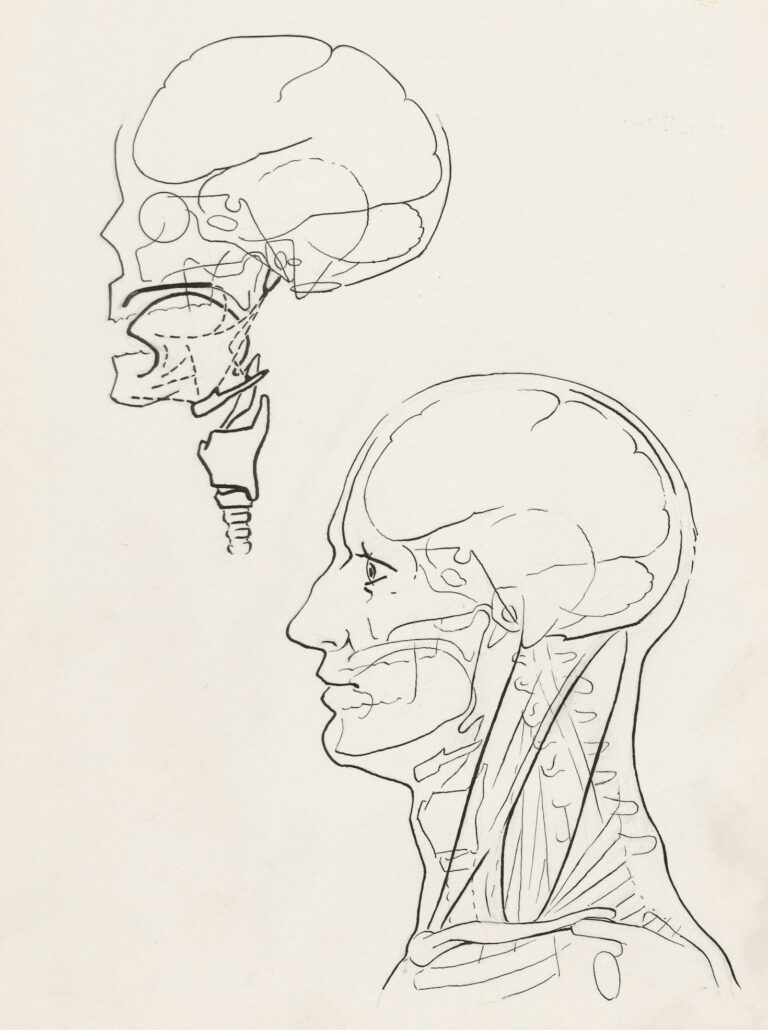
This constant pressure is not a personal weakness. It comes from how modern work affects the brain.
Stress now comes less from tasks and more from mental engagement. Your mind stays active long after the workday ends. That is why stress feels permanent.

Why Stress No Longer Turns Off After Work
Work once had clear boundaries. When the day ended, the brain could relax.
Now, work follows you everywhere.
Emails, messages, and expectations keep your mind alert. Even when you are not working, your brain stays ready to respond. This constant alert state prevents recovery.
Without a clear stop signal, stress never fully fades.
The Hidden Psychology of Constant Work Stress
The brain reacts strongly to uncertainty. It finds uncertainty more stressful than effort.
“psychological stress often feels bigger than the job itself”
Modern work creates constant uncertainty:
- Priorities change often
- Expectations feel unclear
- Performance feels constantly judged
Because of this, the brain stays on watch. It scans for problems and future demands. Over time, this mental vigilance becomes exhausting.
Why Your Brain Treats Work as a Threat
Your brain evolved to protect you from danger, not deadlines.
When work feels unpredictable, the brain reacts as if a threat exists. This reaction activates stress systems meant for survival.
Stress chemicals stay active longer than needed. Even quiet moments feel tense. Fatigue builds without obvious cause.
This response is automatic. It is not a failure of discipline or mindset.
Research in psychology shows that ongoing uncertainty and lack of control can activate the brain’s stress response, even in non-dangerous situations.
How Constant Stress Changes Behavior at Work
Long-term stress changes behavior in subtle ways.
Focus becomes harder to maintain. Small tasks feel heavier than they should. Motivation fades, even for work you once enjoyed.
Many people withdraw emotionally to cope. This withdrawal often gets mistaken for laziness or burnout. In reality, it is a sign of mental overload..
Breaking the Cycle Without Quitting Your Job
Reducing constant work stress starts with mental boundaries.
The brain needs clear signals for when work begins and ends. Limiting work-related thoughts outside work hours helps restore balance.
Even small changes matter. Avoiding work messages at night or creating a clear shutdown routine can help the brain relax again.
Stress decreases when certainty and control return.
Final Insight
Work stress feels constant because work now occupies mental space, not just time.
Once you understand this, stress becomes easier to manage. The goal is not to work less. The goal is to help your brain disengage when work no longer needs attention.