
Why Your Job Feels More Stressful Than It Actually Is
Work stress often feels overwhelming, even when the workload itself hasn’t increased. Many people assume this stress comes from long hours or pressure, but psychology tells a different story.

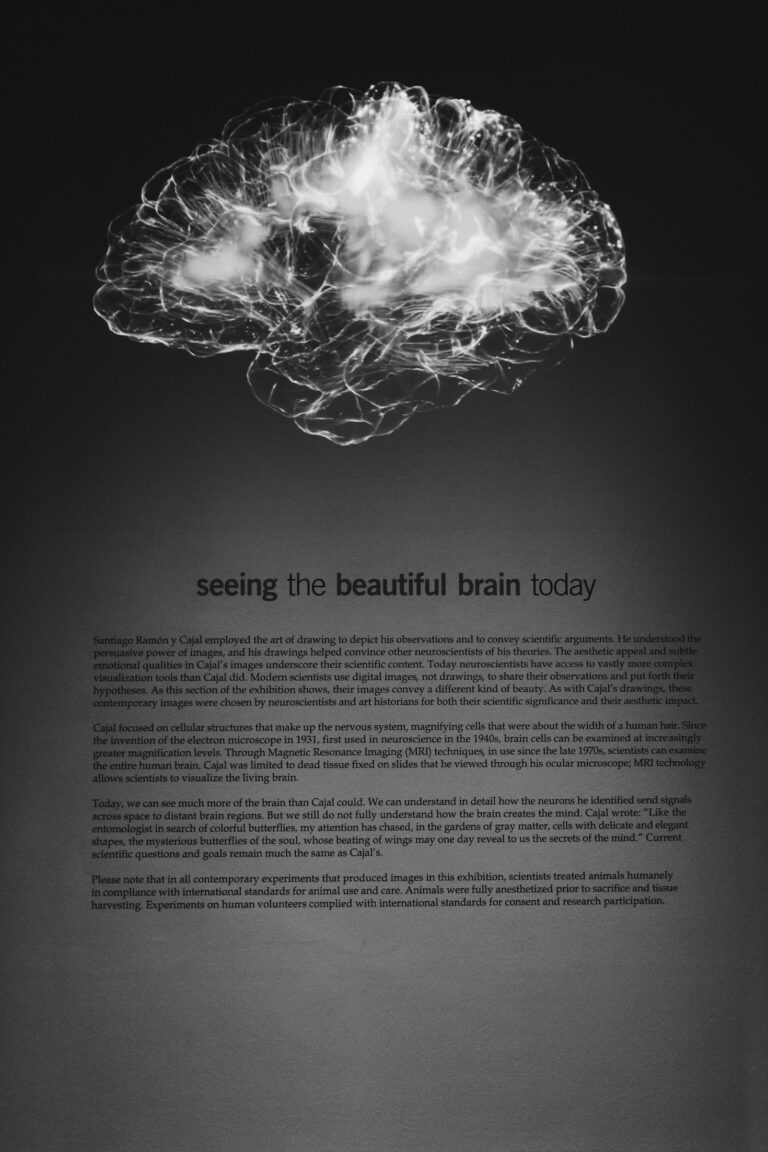
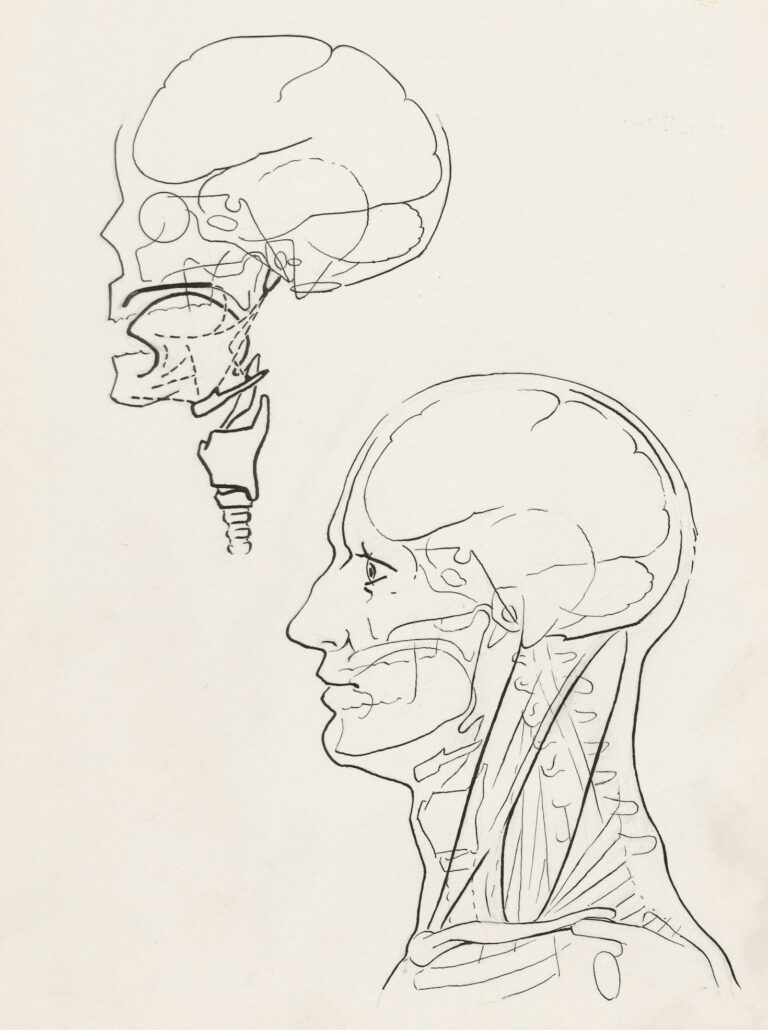
The brain doesn’t respond to work itself — it responds to how we perceive work. Once you understand this, work stress becomes far more manageable.
Why the Brain Amplifies Work Stress
The human brain naturally prioritizes threats. At work, The brain interprets deadlines, expectations, and uncertainty as risks — even when they are not physically dangerous.
This causes the brain to stay in a heightened state of alert, making stress feel constant and intense.
The problem is not the task. It’s the brain’s assumption that something could go wrong.
The Psychology of Unfinished Tasks
Unfinished work places a cognitive burden on the mind. The brain keeps tasks “open,” continuously reminding you of what still needs to be done.
This effect, known in psychology as the Zeigarnik Effect, explains why work stress follows you home even when you stop working.
- Open tasks demand mental attention
- The brain dislikes uncertainty
- Closure reduces psychological tension
“The brain reacts more strongly to perceived pressure than actual workload.”
Why Stress Feels Constant Even When Work Isn’t
Control is one of the strongest stress reducers. When you feel in control, the brain relaxes. When control feels absent, stress rises — even if the workload stays the same.
- Breaking tasks into visible steps
- Defining clear stopping points
- Deciding when work is “done”
If you’re interested in how perception changes behavior at work, read our breakdown on [Why People Treat Confident People Differently].
Final Insight
Work stress is rarely about the amount of work you do. It is about how the brain interprets responsibility, uncertainty, and control.
When you change perception, stress loses its power — even before your workload changes.
Share this if work stress has ever felt heavier than the work itself.

One Comment