
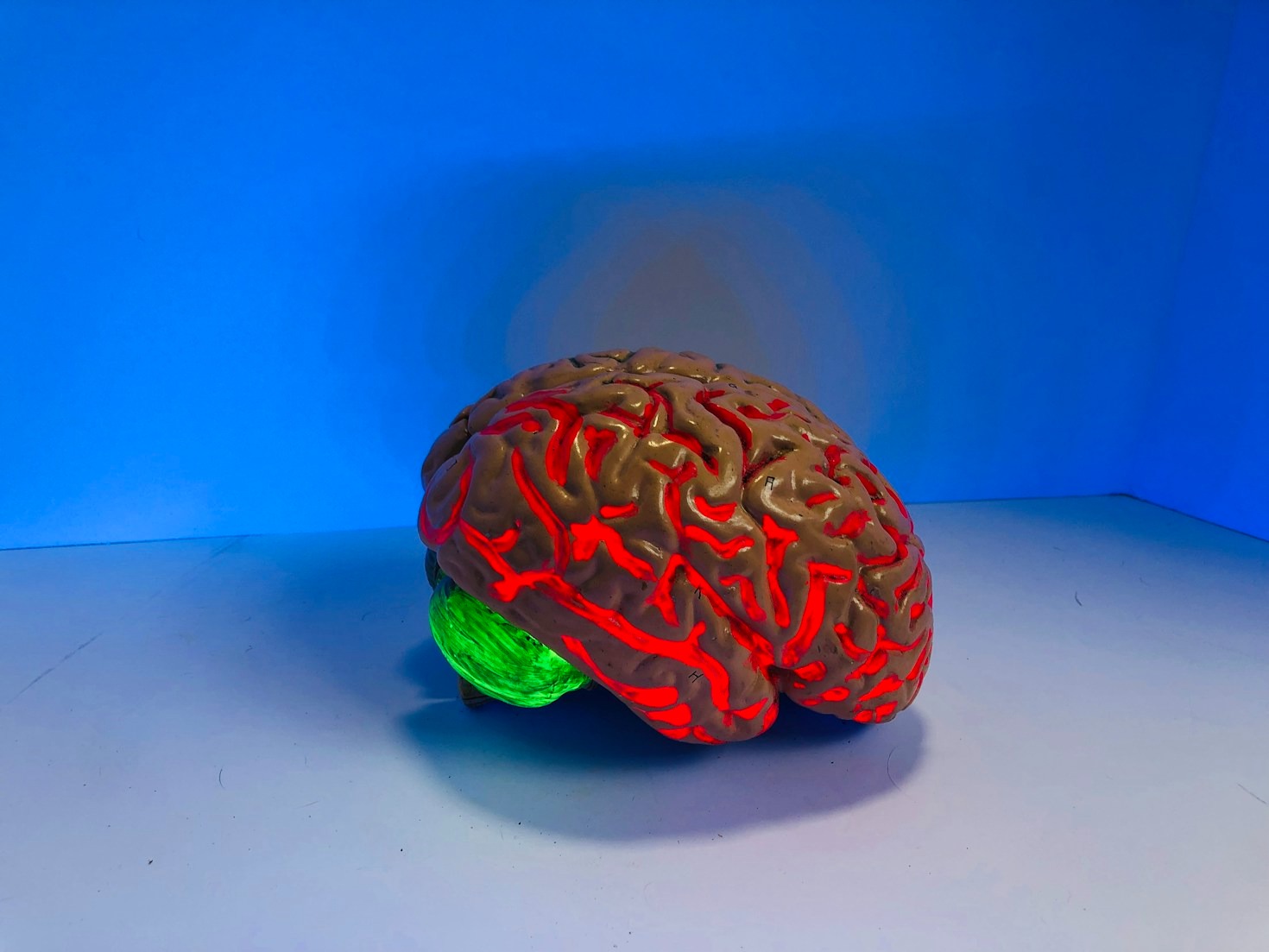
10 Ways Neuroscience Can Improve Your Daily Life
Neuroscience, the study of the brain and nervous system, has made incredible strides in recent years. By understanding how our brains work, we can harness this knowledge to improve various aspects of our daily lives. Here are ten ways neuroscience can help you live better, smarter, and healthier.
Neuroscience shows that memory is not fixed but can be improved through certain practices. Techniques like spaced repetition, visualization, and mindfulness can strengthen neural connections, helping you remember important information more effectively.
Understanding the brain’s response to stress can help you develop better coping strategies. Practices like deep breathing, meditation, and cognitive behavioral techniques have been shown to reduce the activity of the amygdala, the brain’s fear center, leading to lower stress levels.
Neuroscience reveals the importance of sleep for brain function, including memory consolidation and emotional regulation. By following sleep hygiene practices such as limiting blue light exposure before bed and maintaining a consistent sleep schedule, you can boost your brain’s performance.
The brain’s prefrontal cortex is responsible for attention and decision-making. Neuroscience suggests that techniques like the Pomodoro Technique, mindfulness meditation, and regular breaks can enhance focus and prevent burnout.
Neuroscience highlights the brain regions involved in empathy and emotion regulation. By practicing active listening and self-awareness, you can improve your emotional intelligence, leading to better relationships and communication.
The brain forms habits through repeated actions, creating neural pathways that become automatic over time. Understanding this process can help you replace bad habits with positive ones by consistently practicing new behaviors and rewarding yourself.
Neuroscience shows that creativity involves multiple brain networks working together. Engaging in activities like brainstorming, daydreaming, and exposing yourself to new experiences can stimulate creative thinking.
Different parts of the brain are involved in various types of learning. By using multisensory approaches—combining visual, auditory, and kinesthetic learning—you can enhance comprehension and retention.
Neuroscience links brain health to physical well-being. Regular exercise increases neurogenesis—the creation of new neurons—and improves mood and cognitive function. Incorporating physical activity into your routine benefits both your brain and body.
Mindfulness practices change the brain’s structure and function, increasing areas related to attention and emotional regulation. Regular mindfulness meditation can reduce anxiety, enhance self-awareness, and promote overall mental health.
By applying these neuroscience-backed strategies, you can make informed choices that enhance your cognitive abilities, emotional well-being, and overall quality of life. Embrace the power of your brain and start transforming your daily routine today!